Hair & Skin Supplements in India: Diagnose Before You Buy
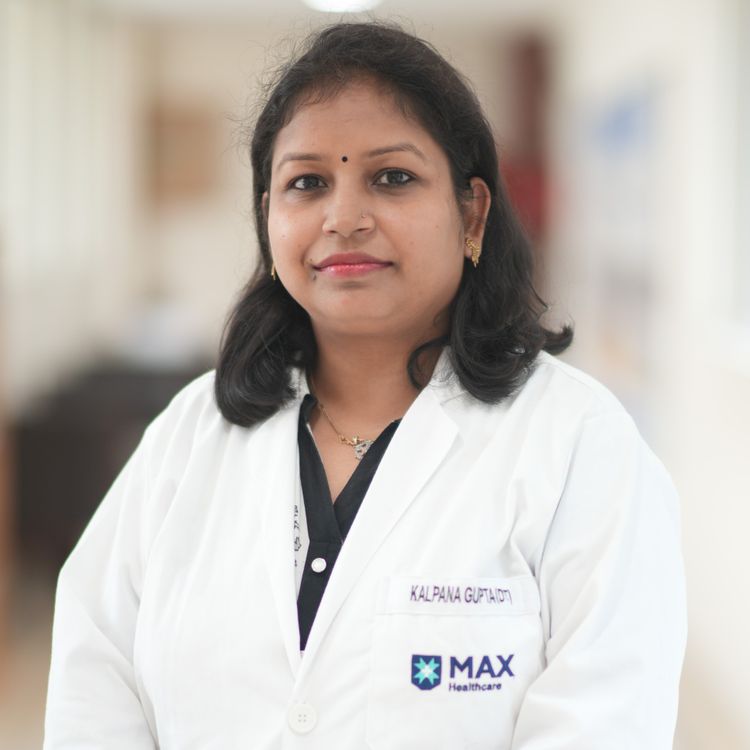
M.Sc. Food & Nutrition (Lucknow University) · 15+ years hospital practice
The Indian beauty-from-within supplement market is approaching ₹4,500 crore — and is one of the categories most prone to over-promised, under-evidenced marketing. This guide is structured differently from competitor content: rather than ranking ingredients in isolation, it walks through the diagnostic logic our hospital nutritionists use when a patient presents with hair shedding, thinning, skin concerns, or brittle nails. The right supplement depends on the cause — and the cause is rarely the one being marketed against on social media.
Step 1 — Classify the complaint accurately
The first step is to put the right name on what the patient is actually experiencing. Different patterns have different causes and different responses to supplementation:
| Pattern | What it looks like | Most likely category |
|---|---|---|
| Diffuse shedding | More hair in brush, pillow, shower drain; visible thinning over 2–4 months; eventually self-limited | Telogen effluvium (TE) — illness, stress, deficiency, post-pregnancy |
| Slow progressive thinning | Crown becomes more visible; widening parting; recession at temples in men | Androgenetic alopecia — needs dermatology referral |
| Patchy bald spots | Smooth round or oval bald patches, sudden | Alopecia areata — needs dermatology referral |
| Hair breakage | Short hairs of varying length, especially at the ends; brittle | Mechanical or chemical damage; hard water; over-styling |
| Scalp itch or scaling with shedding | Visible dandruff, redness, sometimes burning | Seborrheic dermatitis, psoriasis, fungal infection |
| Dry, dull skin | Tightness after washing, flaking, lacklustre tone | Barrier dysfunction; possible nutritional contributor; environmental |
| New acne breakouts in adult | Cystic or hormonal pattern; jawline/chin involvement | Hormonal — needs dermatology assessment, possibly PCOS workup |
| Pigmentation | Melasma, post-inflammatory hyperpigmentation, sun damage | Topical and procedural treatment under dermatologist; supplements adjunct only |
Step 2 — Test what you can before supplementing
For diffuse hair shedding lasting more than 6 weeks in any adult — but especially in Indian women — a basic blood-work panel before starting supplementation usually saves money and frustration. The panel typically costs ₹2,500–₹4,500 at most Indian labs:
- Serum ferritin. The single most useful test. Threshold for hair-fall workup in menstruating women is <50 ng/mL; in postmenopausal women and men <30 ng/mL.
- 25(OH) vitamin D. Repletion target ≥30 ng/mL; majority of urban Indians fall below this.
- Complete thyroid panel. TSH plus free T4. Untreated hypothyroidism or hyperthyroidism is a common cause of diffuse hair shedding.
- Complete blood count and serum vitamin B12. Particularly relevant for vegetarian and vegan Indians; pernicious anaemia and dietary deficiency both common.
- HbA1c and fasting glucose in adults >30 — uncontrolled diabetes contributes to hair shedding and slow wound healing.
- Serum zinc when available — zinc deficiency causes diffuse hair shedding and is more common in strict vegetarian and vegan Indian diets due to phytate content of grain-and-pulse staples.
- If acne or hirsutism with adult-onset hair changes: consider PCOS workup (testosterone, DHEA-S, LH:FSH ratio, pelvic ultrasound).
Step 3 — Match the deficiency to the supplement
Iron deficiency without anaemia (low ferritin, normal haemoglobin)
The most common deficiency we identify in Indian women with hair-fall complaints. Use an iron salt with good tolerability: ferrous bisglycinate 25–50 mg elemental iron per day, taken with vitamin C (50–100 mg or with a citrus fruit), away from tea, coffee, calcium-rich foods, and dairy. Take in the morning if morning nausea is not an issue, otherwise before bed. Alternative forms in order of tolerability: ferrous fumarate, ferrous gluconate, ferrous sulfate (cheapest but most GI side effects). Many patients respond better to alternate-day dosing (better hepcidin profile — Stoffel and colleagues, Lancet Haematol 2017).
Reassess ferritin at 12 weeks. Hair regrowth begins to be visible only when ferritin exceeds 50 ng/mL and is sustained.
Vitamin D insufficiency
For 25(OH)D below 30 ng/mL, follow the loading regimen often prescribed by Indian physicians (60,000 IU weekly for 8 weeks) then 2,000 IU per day maintenance. Recheck at 3 months. For levels above 30 ng/mL, 1,000–2,000 IU daily is usually sufficient maintenance.
Hypothyroidism (TSH > 5 with symptoms, or above 10)
Refer to an endocrinologist or general practitioner. Hair shedding usually resolves within 3–6 months of adequate thyroid replacement. Supplements are not the answer before thyroxine is dose-optimised.
B12 deficiency (serum B12 < 200 pg/mL)
Particularly common in lacto-vegetarian and vegan Indians. Oral cyanocobalamin or methylcobalamin 1,000–2,000 mcg per day, or sublingual, is generally effective. Severe deficiency or malabsorption (post-bariatric, pernicious anaemia) needs intramuscular injections under medical supervision.
Zinc deficiency or marginal status
Zinc supplementation at 15–30 mg per day for 8–12 weeks. Combine with 1–2 mg of copper if supplementing long-term, as zinc can deplete copper. Avoid taking on a completely empty stomach (nausea).
Step 4 — Use connective-tissue support correctly
Hydrolysed collagen peptides (10–15 g per day, powder or sachet)
For overlapping hair-skin-nail complaints in adults > 30, collagen peptides have the clearest evidence base — multiple 8–12 week trials show modest improvements in skin hydration, elasticity, dermal density, and nail strength. The dose matters: trials use grams, not milligrams. Capsule-format products at "1,000 mg collagen per serving" deliver 1/10th of the trial dose and will not produce the trial effects. Powder, liquid, or sachet formats are needed for the gram-scale dosing.
Pair with 50–100 mg of vitamin C (cofactor for collagen synthesis). Many Indian-market products co-formulate them — sensible.
Choosing among bovine, marine, and chicken collagen
For most skin-plus-hair-plus-joint overlapping concerns, hydrolysed bovine peptides (Type I + III dominant) have the broadest trial base and are the lowest-cost. Marine collagen is similar on outcomes, higher in price, and the choice for fish-eaters or those preferring non-bovine sourcing. Chicken collagen (Type II) is specifically for joint indications. For vegetarians who do not consume animal collagen, the closest functional support is a vitamin C + amino-acid (glycine + L-proline + L-lysine) combination — useful for endogenous collagen synthesis but not biologically equivalent to oral collagen peptides.
Step 5 — Topical and lifestyle interventions that out-perform supplements
Honest framing: most skin appearance is determined by sun exposure, sleep, hormonal status, smoking, and topical-care discipline — none of which are influenced by oral supplementation. The highest-leverage interventions:
- Daily sunscreen. Broad-spectrum SPF 30+ on face, neck, hands every morning — even on cloudy days, even indoors near windows. The single highest-impact intervention against photo-ageing and pigmentation in Indian skin. Sunscreen does not bleach skin — it prevents damage.
- Topical retinoids (adapalene over-the-counter, tretinoin prescription) for acne, fine lines, texture. Indian dermatologists prescribe retinoids widely and they remain the most evidence-aligned intervention for skin texture.
- Niacinamide topical (4–10% serum) for pigmentation, barrier support — well-tolerated in Indian skin.
- Sleep — 7–8 hours, consistent timing. Cortisol patterns drive both inflammatory skin conditions and hair-cycle disturbance.
- Smoking cessation — accelerated skin ageing, hair shedding, slower wound healing all documented.
- Stress management. Chronic stress reliably triggers and worsens telogen effluvium, acne, and several inflammatory skin conditions.
Common Indian-context factors that interact with hair and skin health
Hard water and city water quality
Many Indian cities — Delhi, Bengaluru, Chennai, Hyderabad — have hard water with elevated calcium and magnesium. The effect on hair is mostly cosmetic (mineral residue making hair feel dry and tangled) rather than causing root-level loss. Practical adjustments: a final-rinse of filtered or slightly acidified water (1 tablespoon apple cider vinegar in 1 litre plain water), a clarifying shampoo once a week, conditioning post-wash. Replacing the entire household water supply with a softener is rarely cost-justified just for hair.
Air pollution exposure
Particulate-matter exposure in Indian cities is linked to oxidative-stress-driven skin changes — early ageing signs, pigmentation worsening, inflammatory acne flares. Practical defences: thorough cleansing in the evening, antioxidant-rich topical serums (vitamin C, niacinamide, ferulic acid), and indoor air quality measures during the October-to-February high-PM season in northern Indian cities.
Hijab, scarves, and traction patterns
Tight pulled-back styles, traction from headgear or covered styles worn consistently, can cause traction alopecia — typically at the hairline temples and behind the ears. Distinct from telogen effluvium and from androgenetic alopecia. Adjustment: vary the style, avoid extremely tight pulls, use silk linings.
Religious tonsuring and shaving
Tirupati and other tonsure traditions: hair regrows fully within 4–6 months in most people. The post-tonsure period is occasionally accompanied by mild telogen effluvium as the regrowth catches up; no specific supplementation is needed.
The supplement hierarchy — what we actually recommend
| Tier | Intervention | Indication |
|---|---|---|
| 1 | Iron repletion (confirmed deficiency) | Diffuse shedding in menstruating women with ferritin <50 |
| 1 | Vitamin D repletion (confirmed deficiency) | All hair-skin complaints with 25(OH)D <30 ng/mL |
| 1 | Adequate protein intake | 0.8–1.0 g/kg/day baseline; 1.2 g/kg/day during recovery from TE or post-pregnancy |
| 1 | Topical sunscreen daily | Universal — primary anti-ageing intervention |
| 2 | Hydrolysed collagen peptides 10–15 g/day | Skin elasticity, dermal density, nail strength |
| 2 | Zinc 15–30 mg + copper 1–2 mg | Hair fall in vegetarian Indians with marginal zinc status |
| 2 | B12 1,000–2,000 mcg | Vegetarian / vegan Indians with confirmed deficiency |
| 2 | Omega-3 EPA + DHA 1,000 mg | Eczema, dry skin, anti-inflammatory support |
| 3 | Hyaluronic acid oral 120–240 mg | Skin hydration adjunct |
| 3 | Vitamin E 200–400 IU | Antioxidant; avoid sustained higher doses |
| 3 | Silica (orthosilicic acid) | Some hair tensile-strength evidence; adjunct |
| NR | High-dose biotin (≥5,000 mcg) | Without confirmed deficiency — not recommended (interferes with thyroid blood tests) |
| NR | Saw palmetto as androgenetic alopecia substitute | Weak evidence; not a finasteride substitute |
| NR | Oral glutathione for skin lightening | Bioavailability poor; cosmetic claim unsupported; IV use linked to serious adverse events |
| NR | Multi-ingredient "hair gummy" with 18 ingredients | Sub-clinical doses; pricier than targeted single-ingredient supplementation |
When dermatology beats the supplement aisle
Patterns that require dermatology referral rather than supplement experimentation:
- Pattern hair loss (receding hairline, central thinning) — topical minoxidil and (in men) oral finasteride have evidence orders of magnitude stronger than any supplement.
- Sudden patchy hair loss — may indicate alopecia areata; needs dermatology assessment.
- Acne moderate-to-severe — needs prescription topical and oral treatment.
- Persistent pigmentation, melasma — needs topical and procedural intervention by qualified dermatologist.
- Itchy or scaling scalp with shedding — needs evaluation for seborrheic dermatitis, psoriasis, fungal infection.
- New skin lesions, unusual moles, persistent rashes — dermatology assessment to exclude skin cancer or chronic inflammatory condition.
- Hair shedding accompanied by weight changes, fatigue, menstrual irregularity — endocrine assessment alongside dermatology.
A realistic 90-day budget in India
| Stack | Daily cost (INR) | 90-day total |
|---|---|---|
| Foundation: iron + vitamin D + protein adequacy | ₹20–35 | ₹1,800–3,200 |
| Add hydrolysed collagen peptides 10 g | +₹45–80 | +₹4,000–7,200 |
| Add zinc + copper | +₹6–12 | +₹500–1,100 |
| Add omega-3 EPA+DHA 1,000 mg | +₹20–35 | +₹1,800–3,200 |
| Topical sunscreen (Indian dermatology brands) | +₹15–25 (amortised) | +₹1,400–2,300 |
| Topical retinoid (over-counter adapalene or tretinoin Rx) | +₹5–10 (amortised) | +₹500–900 |
Indicative pricing across major Indian channels. Most evidence-aligned interventions for Indian skin are topical and inexpensive on a per-day basis; supplements are supplementary, not primary.
What sets realistic expectations apart from marketing
Quality 8–12 week trials of beauty-from-within supplementation show effect sizes that are real but modest — a 5–10% improvement in a measured skin-elasticity index, a 0.5-point increase on a 10-point hydration scale, a marginal reduction in transepidermal water loss. Hair regrowth on a corrected deficiency takes 3–6 months to be visible because hair grows ~1 cm per month. Anyone selling 30-day transformations is selling marketing copy, not biology. Commit to 90–180 days of consistent intake before judging any product fairly, and pair the supplement with the topical and lifestyle interventions that actually do most of the work.
Frequently asked questions
Why am I losing so much hair after COVID infection?
Post-COVID telogen effluvium (TE) was widely reported through 2021–2023 and is now a recognised pattern in dermatology literature. The mechanism: any significant febrile illness or systemic stressor pushes a synchronised cohort of hair follicles from anagen (growth) to telogen (resting), which then sheds 2–4 months later. The shedding can last 3–6 months and is alarming but is almost always reversible. The most useful interventions during TE are confirming and correcting iron and vitamin D deficiency (common Indian-female baseline), adequate protein intake, minimising additional stressors, and patience. Supplements should not include high-dose biotin (which interferes with thyroid blood tests) without a clear deficiency reason.
My ferritin is 28 — is that low?
For menstruating Indian women evaluated for hair shedding, dermatologists generally consider serum ferritin below 50 ng/mL as the threshold for iron-deficiency-related hair fall, even when haemoglobin is "normal". The 28 ng/mL value is in the marginal zone and is associated with telogen effluvium in multiple Indian dermatology series. Correction is with oral iron — ferrous bisglycinate or ferrous fumarate is generally better tolerated than ferrous sulfate — combined with vitamin C for absorption, taken away from tea, coffee, calcium, and dairy. A 12-week course usually restores ferritin meaningfully; recheck after 3 months.
Does collagen powder actually improve skin in Indian climates?
Hydrolysed collagen peptides at 10–15 g per day show modest improvements in skin hydration, elasticity, and dermal density across multiple 8–12 week trials. The effect size is real but moderate — readers expecting transformative results will be disappointed. For Indian skin specifically, collagen does not address pigmentation, photo-ageing, or the effects of UV damage; topical sunscreen remains the highest-leverage intervention. Collagen is most useful as a connective-tissue support adjunct rather than as a primary beauty strategy.
Is high-dose biotin safe long-term?
Biotin (vitamin B7) supplementation at 5,000–10,000 mcg per day is the dose marketed in Indian retail "hair gummies" and "hair supplements". True biotin deficiency is rare in healthy adults, and supplementation in non-deficient people produces minimal hair benefit. The bigger concern is a real risk: high-dose biotin interferes with several laboratory immunoassays — particularly thyroid hormone tests (T4, T3, TSH), troponin, and certain hormone assays. Indian endocrinologists and emergency physicians have been advised by Indian medical societies to ask about biotin supplementation before interpreting these tests. If you take high-dose biotin, discontinue 48–72 hours before any blood test and inform your doctor.
Will glutathione capsules lighten my skin?
Oral glutathione has very limited bioavailability — most of it is hydrolysed in the gut before reaching systemic circulation. The "skin lightening" claim is largely not supported by quality clinical data. Intravenous glutathione has been marketed for cosmetic skin lightening in India, but Indian regulatory authorities have explicitly cautioned against this use; serious adverse events (Stevens-Johnson syndrome, renal failure) have been reported in case series. For pigmentation concerns, evidence-aligned approaches are topical (sunscreen daily, retinoids, niacinamide, kojic acid, hydroquinone under dermatologist supervision) and procedural (chemical peels, laser by qualified dermatologist) — not glutathione supplements.
Hard water and hair fall — is the connection real?
Yes, partially. Hard water (high calcium and magnesium content) leaves mineral residue on the hair shaft that can dry the cuticle, reduce shine, and increase tangling — which leads to breakage rather than true root-level hair loss. Many Indian cities have hard water; the effect on hair appearance is real but often overstated. A practical solution is a final-rinse of filtered or slightly acidified water (a tablespoon of apple cider vinegar in 1 litre of plain water as a post-shampoo rinse). Internal hair-fall causes (iron, thyroid, androgenetic, post-illness) are usually the bigger lever than water quality.
Are hair-and-skin supplements covered by Indian health insurance?
No. Hair, skin, and beauty supplements are classified as nutraceuticals or food-for-special-dietary-use and are not covered under Ayushman Bharat PMJAY, CGHS, or private health insurance reimbursement. They are out-of-pocket purchases. Prescription treatments for diagnosed conditions (alopecia areata, severe acne with isotretinoin, hormone-driven hirsutism) are sometimes partially covered depending on the policy.
References & further reading
- Choi FD et al. Oral collagen supplementation: a systematic review of dermatological applications. J Drugs Dermatol 2019; 18:9–16.
- Trüeb RM. Serum biotin levels in women complaining of hair loss. Int J Trichology 2016; 8:73–77.
- Stoffel NU et al. Iron absorption from oral iron supplements given on consecutive versus alternate days. Lancet Haematol 2017; 4:e524–e533.
- Olsen EA. Female pattern hair loss. J Am Acad Dermatol 2001; 45:S70–S80.
- Mysore V et al. Recommendations on use of oral nutraceutical supplementation in hair disorders: Indian dermatology consensus. J Cutan Aesthet Surg 2020; 13:188–192.
- Saluja SS et al. Glutathione for skin lightening: Indian regulatory and safety review. Indian Dermatol Online J 2020; 11:5–9.
- Ravichandran G et al. Telogen effluvium following COVID-19: an Indian dermatology series. Int J Trichology 2022; 14:1–7.
- Aparna P et al. Vitamin D deficiency in India. J Family Med Prim Care 2018; 7:324–330.
- Indian Association of Dermatologists, Venereologists and Leprologists (IADVL) — clinical practice resources on hair disorders.
- FSSAI Health Supplements & Nutraceuticals Regulations, 2022. Notification 4 February 2022.
Important
Supplements discussed are nutraceuticals under FSSAI Regulations, 2022. They are not medicines and are not intended to diagnose, treat, cure, or prevent any disease including any form of alopecia or skin condition. Hair-loss and skin-condition patterns benefit from dermatology evaluation; supplements are best chosen after a deficiency or pattern is identified, not before. Individual response varies. Always consult a registered medical practitioner or dermatologist before starting any new supplement, particularly during pregnancy, breastfeeding, or while on prescription medication.
Browse beauty supplements About our nutritionist ← Joint health guide