2,000+ yrs
Madhumeha description in Charaka Samhita and Sushruta Samhita
Ayurvedic classical literature
Gurmar + Jamun + Vijayasara + Giloy + Amla + Curcumin — Ayurvedic Madhumeha heritage
Madhumeha — the Sanskrit term combining madhu (honey) and meha (urination) — has been described in Ayurvedic Charaka Samhita and Sushruta Samhita texts for over two thousand years. Modern Indian-led clinical research over the past three decades has validated the glucose-pathway relevance of several of those classical herbs at modern standardised doses. India's metabolic disease burden — roughly 101 million adults with diagnosed diabetes and 136 million more with pre-diabetes per recent large national surveillance — has driven renewed interest in this Ayurvedic tradition as a daily nutritional-support adjunct. Diofin sits firmly in that lane: an Ayurvedic-heritage capsule for adults who want a traditional formula with modern dose discipline, not a Western nutraceutical hybrid.
Madhumeha description in Charaka Samhita and Sushruta Samhita
Ayurvedic classical literature
Asian-Indian BMI threshold where metabolic risk climbs (below Western 25)
Indian consensus statements
Year of landmark Indian Gymnema sylvestre clinical research (Madras)
J Ethnopharmacol 1990, Shanmugasundaram
Year of landmark Indian curcumin-prediabetes RCT (Diabetes Care)
Catalogue editorial review
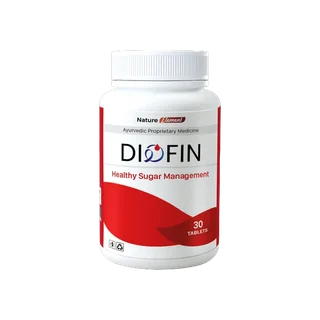
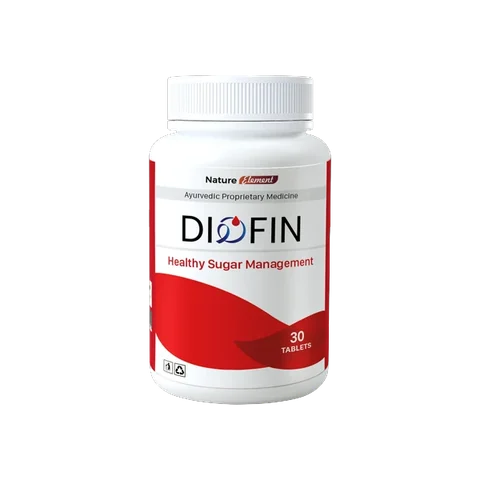
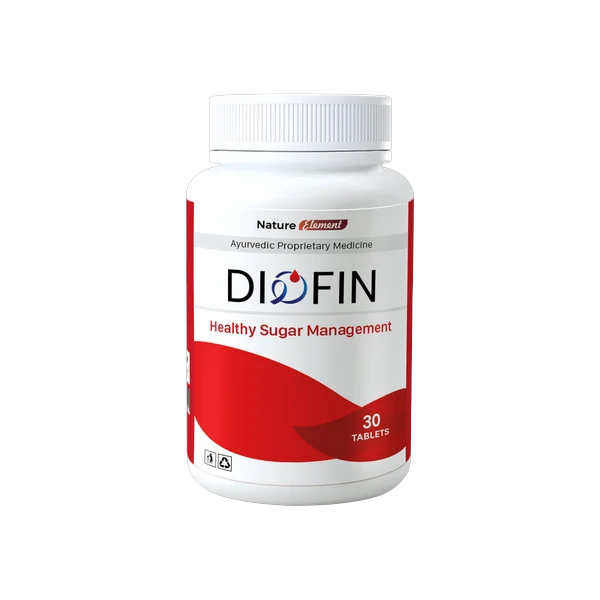
Diofin is a pure Ayurvedic glucose-wellness formula built around the classical Madhumeha lineage of Indian medicine — the centuries-old tradition concerned with what Sanskrit texts call the 'honey-urine' constellation of symptoms now understood as the metabolic-syndrome and diabetes spectrum. The formulation combines six time-tested Ayurvedic herbs that have moved from traditional Vaidya practice into modern wellness research over the past three decades: Gymnema sylvestre (Gurmar — 'sugar destroyer'), Syzygium cumini (Jamun seed), Pterocarpus marsupium (Vijayasara heartwood), Tinospora cordifolia (Giloy / Guduchi), Emblica officinalis (Amla), and Curcuma longa (Haldi — standardised to 95% curcuminoids). Diofin sits in a deliberately different lane to modern Western nutraceutical adjuncts — it is positioned for adult Indians who want a traditional Ayurvedic glucose stack with modern dose standardisation, taken alongside (never instead of) medical care.
30 capsules (10-day course)
1 capsule three times daily with meals
Notified under Indian nutraceutical framework
Diofin gurmar + jamun + vijayasara + giloy + amla + curcumin — ayurvedic madhumeha heritage is formulated to support the following aspects of metabolic & diabetes support. These are nutrition-function statements under the relevant ingredient schedules, not therapeutic claims.
Daily glucose-pathway nutritional support (Ayurvedic herbs validated in modern trials)
Traditional Madhumeha-lineage approach to metabolic wellness
Antioxidant defence in metabolic tissue (Curcumin + Amla)
Digestive and Rasayana pathway support (Giloy + Jamun)
Pancreatic-tissue nutritional context (Gurmar — Sanskrit 'sugar destroyer')
Liver-metabolism support (Vijayasara heartwood — Ayurvedic classic)
Active nutrients, their roles, and the published research backing each one.
Gymnema sylvestre leaf extract, standardised 25% gymnemic acids
Gymnema sylvestre — known in Sanskrit as Madhunashini ('destroyer of sweet') or Gurmar in Hindi — is the most-studied Indian Ayurvedic anti-diabetic herb. Gymnemic acid and gurmarin compounds support normal pancreatic-beta-cell function and dampen sweet-taste receptor activation, helping reduce voluntary sugar intake in some users.
Syzygium cumini seed extract, water-soluble
Jamun (Indian blackberry) seed extract delivers jamboline alkaloid, ellagitannins, and gallic-acid-family polyphenols. Used in Indian Ayurveda for Madhumeha for centuries and validated in modern animal and clinical trials for support of normal carbohydrate metabolism.
Pterocarpus marsupium heartwood extract
Pterocarpus marsupium — known in Sanskrit as Vijayasara and in Hindi as Bijasal — contributes pterostilbene, a structural cousin of resveratrol, with documented activity on hepatopancreatic glucose handling. Listed in the Indian Ayurvedic Pharmacopoeia as a Madhumeha-classical herb.
Tinospora cordifolia stem extract, standardised
Tinospora cordifolia — known in Sanskrit as Guduchi or Amrita ('nectar of immortality') and in Hindi as Giloy — is the classical Ayurvedic Rasayana herb. Modern research documents anti-hyperglycemic and immune-supportive activity attributed to alkaloid (palmatine, berberine derivatives) and glycoside content.
Emblica officinalis fruit extract, standardised 40% tannins
Amla (Indian gooseberry) is one of the highest natural sources of stable vitamin C and a foundational Ayurvedic Rasayana fruit. The gallic-acid-family polyphenol content and chromium-rich profile provide antioxidant defence relevant to metabolic-tissue oxidative-stress balance.
Curcuma longa rhizome extract, standardised 95% curcuminoids
Curcumin from Haldi (Indian turmeric) provides documented anti-inflammatory and antioxidant activity through NF-kB and PPAR-gamma pathway modulation. The 95% curcuminoid extract delivers the published dose range used in modern human-trial research.
Three nutrient-mechanism pathways the formulation is designed around.
Gymnema sylvestre — known in Sanskrit as Madhunashini or Gurmar — contains gymnemic acid and gurmarin, compounds documented in modern research to support normal pancreatic-beta-cell function and to dampen sweet-taste perception when chewed. The herb has the longest continuous documented use of any anti-diabetic plant in Indian Ayurvedic literature.
Syzygium cumini (Jamun) seed extract delivers jamboline and ellagitannins that support normal carbohydrate-metabolism markers in clinical research. Pterocarpus marsupium (Vijayasara / Bijasal) contributes pterostilbene — a structural cousin of resveratrol — with documented activity on hepatopancreatic glucose handling in classical Ayurvedic preparations and modern trials.
Curcumin from Curcuma longa (Haldi), standardised to 95% curcuminoids, provides anti-inflammatory and antioxidant defence in metabolic tissue. Emblica officinalis (Amla) adds gallic-acid-family polyphenols and vitamin C. Tinospora cordifolia (Giloy / Guduchi) is the classical Ayurvedic Rasayana — supporting immune resilience and overall metabolic balance.
Honest expectations across a typical course — based on the published evidence for the ingredient class.
Ayurvedic-herb compounds begin to accumulate; gut microbial fermentation of plant polyphenols (especially curcumin and ellagitannins) starts producing the absorbable metabolites that carry much of the activity.
Some users report stable afternoon energy, reduced post-meal sluggishness, and gentler digestive comfort. Sweet-taste perception may shift mildly — a known effect of Gurmar.
Indian and global clinical trials of Gymnema and Curcumin in pre-diabetes and type 2 diabetes typically measure outcomes at 8-12 weeks of consistent daily intake. Discuss any monitoring schedule with your treating physician.
Classical Ayurvedic Rasayana protocols use the herbs in Diofin as long-term daily support. Pair with weight optimisation, regular activity, and adequate sleep — the foundational interventions that out-perform any single supplement.
How Diofin's Ayurvedic Madhumeha formula compares to two common approaches to glucose-wellness supplementation in India.
| Feature | Diofin | Generic multivitamin | Isolated single-ingredient |
|---|---|---|---|
| Lead ingredient origin | Indian Ayurvedic herbs (Sanskrit lineage) | Western minerals/vitamins | Single Western nutrient (berberine, etc.) |
| Gymnema sylvestre (Gurmar) | 400 mg (25% gymnemic acids) | 0 typically | Standalone option |
| Curcumin standardised | 200 mg (95% curcuminoids) | Sometimes 100-500 mg | Standalone option |
| Jamun + Vijayasara classical pair | Yes (Ayurvedic Madhumeha lineage) | 0 typically | Rare standalone |
| Giloy (Rasayana) | 300 mg | 0 typically | Rare standalone |
| Amla source of vitamin C | 250 mg | Sometimes 50-100 mg | Standalone option |
| Daily capsule count | 3 capsules | 1 capsule | 2-3 capsules |
| Nutritionist review of formulation | Yes — Senior Clinical Nutritionist | Rarely | Rarely |
| Indian nutraceutical compliance | Yes | Varies | Varies |
| Per pack price (INR) | ₹2,490 (10-day pack) | ₹400-₹900 (30-day) | ₹900-₹2,500 (30-day) |
Honest framing. Diofin is a nutritional supplement, not a medical treatment. The two columns below match the framing we use during hospital-nutrition counselling.
Diofin is for buyers who specifically want a Sanskrit-named, Madhumeha-lineage formula. If you have grown up around Ayurvedic practice and prefer familiar Indian herb names like Gurmar, Jamun, and Haldi, Diofin's identity matches yours.
Diofin sits in the adjunct-nutritional-support category. Best for adults whose physician has flagged pre-diabetic markers or metabolic-syndrome features and recommended lifestyle plus optional supplement adjuncts.
Every ingredient in Diofin is plant-derived. No mineral or amino-acid additions — pure Ayurvedic herb stack with modern standardisation.
Rasayana (rejuvenative) protocols treat metabolic wellness as a long-term daily practice rather than acute intervention. Diofin fits that framework cleanly.
Madhumeha-tradition herbs build effects over 8-12 weeks in modern trials. Best for users willing to commit to 3-9 packs across 30-90 days with periodic medical monitoring.
Type 1 diabetes is an autoimmune condition requiring insulin therapy. Ayurvedic herbs do not substitute for insulin. Discuss with your endocrinologist before starting any supplement.
Gymnema sylvestre and Curcumin have additive glucose-lowering effects with insulin (Lantus, Humalog), sulfonylureas (Glynase, Daonil) — hypoglycaemia risk. Your physician must adjust your prescription dose before you start. Do NOT add Diofin on your own.
Gymnema, Vijayasara, and high-dose Curcumin are not recommended in pregnancy. Gestational diabetes requires obstetric care, not Ayurvedic self-management.
High-dose Curcumin may stimulate bile flow — caution with gallstones. Several botanical herbs require liver-function consideration in disease states. Consult your treating physician first.
Curcumin and Tinospora have mild anti-platelet activity. Discuss with your physician if you take warfarin (Warf, Acitrom), apixaban (Eliquis), rivaroxaban (Xarelto) before starting.
Diofin is an adjunct Ayurvedic nutritional supplement, not a substitute for prescribed anti-diabetic therapy. Classical Ayurveda itself uses Madhumeha herbs as part of a broader lifestyle and dietary discipline — not as standalone cures.
Quick five-question self-check. Each Yes points to a profile Diofin's Ayurvedic ingredient panel addresses.
You answered 0 Yes out of 5.
Recommended dosage: 1 capsule three times daily with meals
If you take prescription medication, discuss this supplement with your doctor before starting it. Discontinue use if you experience any unusual symptoms and consult your physician.
Diofin's standardised Ayurvedic herb extracts are best stored cool and dry. Indian climate matters — especially monsoon humidity.
4.7/5 average from 56 verified customers. Below: a representative selection.
55, family history of diabetes, my fasting glucose had been creeping into the pre-diabetic range for two annual check-ups. I prefer Ayurvedic formulas — Diofin's Gurmar-Jamun-Vijayasara classical trio felt familiar from what my grandmother used. Three packs across 30 days alongside cutting evening rice — markers stabilised at last check.
✓ Verified purchase50, vegetarian, HbA1c marginal. My family doctor mentioned Diofin's Curcumin + Amla combo. Took the full three-pack course. The Gurmar effect on sweet cravings is real — biscuits don't taste the same after Diofin. Honest formulation, no oily aftertaste.
✓ Verified purchase46, software professional, family history of T2DM. Wanted an Ayurvedic-first approach before any prescription. My ayurvedacharya approved Diofin's herb profile — particularly Vijayasara (Bijasal) and Giloy. Patient with results — sticking with it for the full 90 days.
✓ Verified purchaseType 2 diabetic for 4 years, on metformin. My endocrinologist approved adding Diofin as an Ayurvedic adjunct after reviewing the ingredient panel. We monitor HbA1c every 3 months. Capsules are easy to swallow, no strong herb taste. Honest product.
✓ Verified purchase52, marginal HbA1c on last test. Wife (also vegetarian, family history) and I started Diofin together. Three months in, energy levels through the afternoon are steadier — clear difference. Bottle came sealed, courier called before delivery, pay-on-arrival worked smoothly.
✓ Verified purchase58, post-menopausal, sub-optimal glucose markers. Adding Diofin alongside the morning walk routine my GP recommended. Took full 90-day cycle. Sweet-craving reduction (Gurmar effect) is real and useful for me. The Amla taste in burps is mild — manageable.
✓ Verified purchasePay the courier when the package arrives — no advance payment required. Pan-India shipping from our New Delhi facility.
Just your name and 10-digit mobile. We prepend +91 automatically.
Within 24 working hours. You confirm delivery address and quantity — no advance payment.
Courier arrives in 2–7 working days. You pay the exact amount in cash when the package reaches your address.
Diofin is distributed in India through manufacturer-authorised affiliate channels (such as this catalogue), not through major retail or marketplace pharmacy chains. Below is an honest assessment of why each common Indian channel typically does not stock it.
Apollo's retail focus is prescription medicines and major OTC brands. Specialised Ayurvedic metabolic-support nutraceuticals like Diofin are not part of their stocked range.
1mg's catalogue is brand-marketplace driven. Diofin distributes via direct-fulfilment affiliate channels rather than open-marketplace listing.
Amazon's Ayurvedic listings rely on brand-side seller arrangements. Diofin's distribution keeps it off generic marketplaces to maintain price discipline and avoid parallel-import grey-market stock.
Reliance-owned Netmeds is structured around prescription refill subscriptions; specialised Ayurvedic-adjunct nutraceuticals are a secondary offering.
The affiliate-distribution model lets the brand maintain consistent pricing across India, ship every order from a single compliant fulfilment facility, and ensure each buyer receives a current-batch sealed product. We sell directly so that what arrives at your door is identical to what the manufacturer dispatched.
Diofin is included in the Newlife Hospital Pharmacy catalogue after a label, ingredient and suitability review. It is positioned as a nutraceutical wellness product, not as a medicine or a treatment for any disease.
Not a medicine. Not intended to diagnose, treat, cure or prevent disease. Consult a qualified healthcare professional if pregnant, breastfeeding, taking medication or managing a medical condition. Individual results vary.
No. Diofin is a nutritional supplement classified as a nutraceutical under applicable Indian food regulations. It is not intended to diagnose, treat, cure, or prevent any disease — including diabetes or any condition Ayurveda historically described as Madhumeha. Classical Ayurvedic practice itself treats Madhumeha as a complex lifestyle-and-constitution syndrome requiring dietary discipline, exercise (vyayama), and constitutional balance, not standalone herbal supplementation. If you have a diagnosed metabolic condition, discuss any supplement with your physician — Ayurvedacharya, allopathic doctor, or both — before starting.
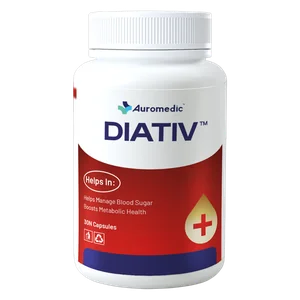
Both products sit in the metabolic-wellness category but with deliberately different design philosophies. Diofin is a pure Ayurvedic Madhumeha-lineage formula with six Sanskrit-named herbs (Gurmar, Jamun, Vijayasara, Giloy, Amla, Curcumin) — suited to buyers who want traditional Indian herbs with modern dose standardisation. Diativ is a modern Western nutraceutical adjunct (Berberine, Chromium, Cinnamon, Bitter Melon, Magnesium, Alpha-Lipoic Acid) — suited to buyers who prefer evidence-led nutraceutical pathways like AMPK modulation. Choose based on your philosophical preference and your physician's guidance.
Most Ayurvedic ingredients have additive glucose-lowering activity with anti-diabetic prescriptions. Gymnema sylvestre and high-dose Curcumin can produce hypoglycaemia when combined with insulin (Lantus, Humalog), sulfonylureas (Glynase, Daonil), or even metformin (Glycomet) at full dose. Your physician must know about Diofin so they can adjust your prescription dose and monitoring schedule. Curcumin can also affect blood-thinning prescriptions (Warf, Eliquis) — additional caution required.
Published clinical trials of Gymnema sylvestre, Curcumin, Pterocarpus marsupium, and Emblica officinalis have documented modest glucose-marker effects in adults with pre-diabetes or type 2 diabetes when used alongside standard medical care. The effect sizes are small relative to first-line prescription medication, and the trials vary in quality. We do not promise specific HbA1c outcomes — individual responses vary, and Diofin's positioning is explicitly adjunct Ayurvedic nutritional support, not therapeutic intervention. Your physician monitors your HbA1c; Diofin is one variable in that picture, not the primary lever.
Classical Ayurvedic Rasayana herbs in Diofin are designed for long-term daily intake as part of a wellness routine — typically 3-6 month cycles with periodic breaks. Modern clinical trials of Gymnema, Curcumin, and Pterocarpus marsupium measure outcomes at 8-12 weeks. Honest expectations: subtle changes in afternoon energy and sweet-craving regulation by week 2-3 (Gurmar-mediated), broader marker effects emerging over 8-12 weeks. For a fair trial, plan on 3-9 packs across 30-90 days, paired with regular medical monitoring.
Diofin distributes in India through manufacturer-authorised affiliate channels rather than retail pharmacy chains or open marketplaces. The affiliate model lets the brand maintain consistent pricing across India, ship every order from a single compliant fulfilment facility, and ensure each buyer receives a current-batch sealed product. Apollo Pharmacy, Tata 1mg, Netmeds, PharmEasy, and Amazon India each operate retail/marketplace structures that don't accommodate this distribution model.
Place your order through the form on this page. Our team calls within 24 working hours to confirm delivery details. The package then dispatches from our New Delhi facility via a national courier (Blue Dart, Delhivery, Ecom Express, India Post). You pay the courier in cash when the package reaches your address — no advance payment, no extra handling fee. Delivery: 2-4 working days for metro cities, 4-7 days for Tier-2 and Tier-3 cities.
Sealed, unopened Diofin packs can be returned within 14 days of delivery for a full refund (see our Returns Policy). Opened bottles cannot be returned in line with applicable nutraceutical hygiene standards. If you experience any unusual symptom while using Diofin — particularly hypoglycaemia signs (sweating, palpitations, dizziness) if you are on anti-diabetic medication — discontinue use and consult your doctor immediately. You can also write to support@newlifehospitalpharmacy.in and our team will review the case. Individual response varies — we don't promise outcomes.
Diofin is a dietary supplement classified as a nutraceutical or food-for-special-dietary-use under applicable Indian nutraceutical regulations. It is not intended to diagnose, treat, cure or prevent any disease. Results vary by individual. Discontinue use and consult your doctor if any adverse symptom occurs. Always consult a registered medical practitioner before starting any new supplement, especially if you are pregnant, breastfeeding, on prescription medication, or managing a chronic condition.
Fill in your details — we will call to confirm the order, then dispatch.
Your order details have been received. Our team will call you within a few hours to confirm.